Comfort You Can Count On
Fast, reliable heating and cooling services for homes and businesses.
Home
The HVAC Industry’s Push Toward Reliable Comfort and Efficiency
Heating and cooling trends continue to evolve as homeowners and building managers look for dependable comfort without waste. One of the most practical shifts centers on smarter thermostat strategies. A well-chosen thermostat supports day-to-day comfort while guiding systems to run only when needed. Features like scheduling, zoning, and adaptive learning help reduce unnecessary runtime and smooth out temperature swings. Paired with proper airflow and sealing, these adjustments create a steadier indoor environment and lessen strain on equipment.
Indoor Air Quality Matters Year-Round
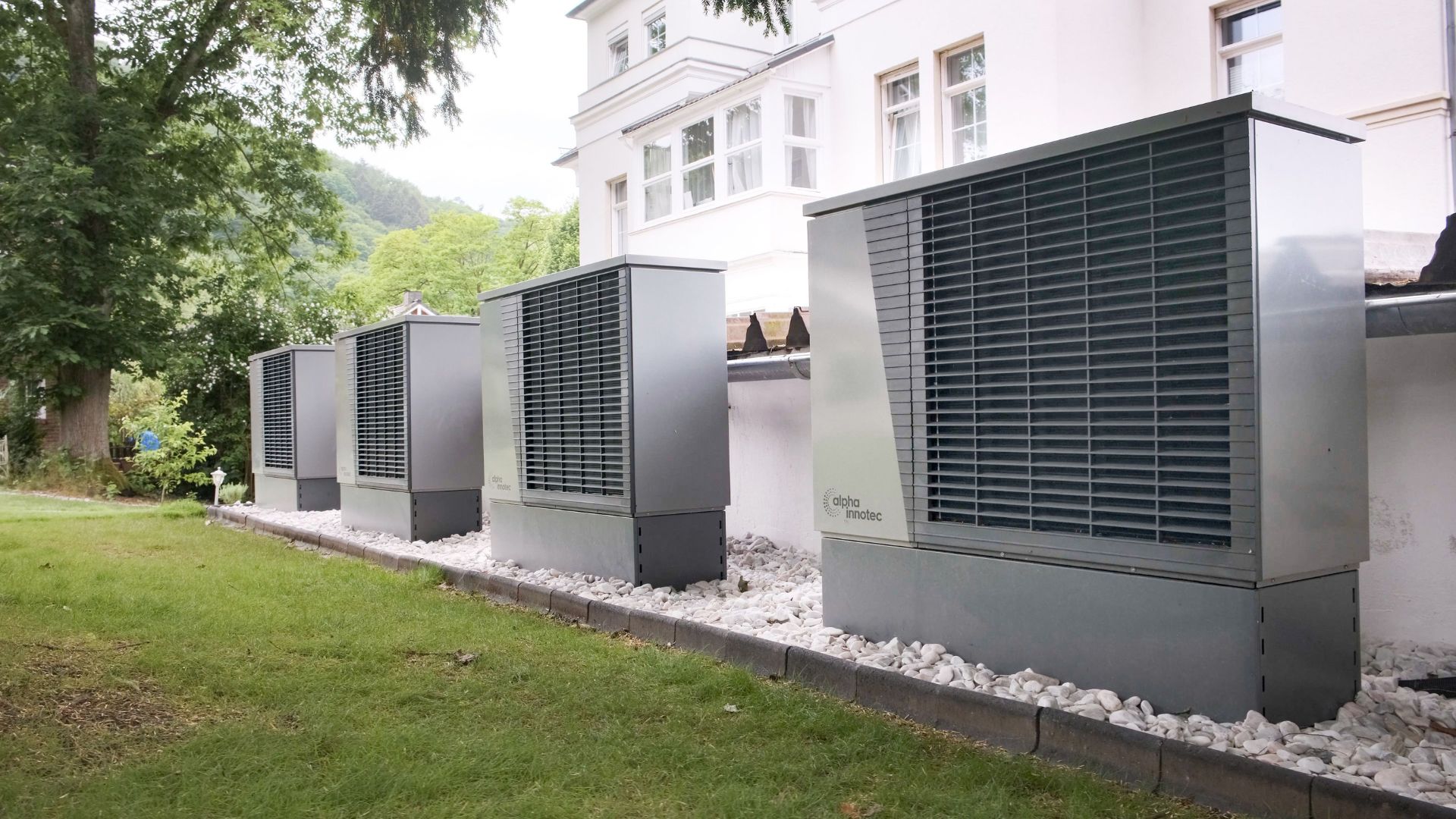
Indoor air quality is now seen as a core part of a complete HVAC plan rather than an optional add-on. Balanced filtration, ventilation, and humidity control all contribute to a healthier space and a more efficient system. Filters that match the system’s capacity capture common particulates while still allowing adequate airflow. Mechanical ventilation introduces fresh air at a controlled rate, preventing stuffiness and diluting indoor pollutants. Humidity that stays within a comfortable range reduces musty odors, discourages microbial growth, and helps heating and cooling equipment work more predictably throughout the seasons.
Maintenance as a Mindset
Preventive care is the foundation of reliable performance. Treating maintenance as a mindset—rather than a once-in-a-while task—protects major components and stabilizes energy use. Routine attention to coils, drains, and blower assemblies preserves heat transfer and airflow. Tight electrical connections, accurate refrigerant charge, and calibrated controls keep systems operating within design intent. The result is fewer surprises during peak weather and more consistent temperatures from room to room. A basic maintenance plan often includes seasonal checks, filter changes, and a quick review of ductwork condition to catch minor issues before they grow.
Choosing Equipment With the Climate in Mind
No two regions are exactly alike, and equipment selection should reflect that. Systems sized for the local climate operate more steadily and last longer. In hotter areas, features that support steady cooling and humidity control are especially valuable. In colder locations, heating performance and cold-weather resilience take priority. Duct design matters everywhere: properly sealed, insulated ducts deliver air where it belongs and help the system reach setpoints without overworking. Even when replacing a single component, compatibility with existing equipment and controls can prevent mismatches that undermine comfort.
What Homeowners Can Do Today
Small steps support dependable comfort and set the stage for professional service when needed. Consider these practical actions:
- Replace or clean air filters on a regular schedule suited to your home.
- Keep supply and return vents open and unobstructed.
- Clear debris around outdoor units to maintain airflow.
- Use thermostat schedules that match daily routines.
- Note unusual noises, odors, or performance changes and address them promptly.
The Path Ahead
The HVAC field continues to balance comfort, reliability, and efficiency through better controls, thoughtful design, and proactive care. Homeowners who combine sensible thermostat use, strong indoor air quality practices, and consistent maintenance see the most dependable results. Whether upgrading equipment or fine-tuning what is already in place, the goal remains the same: steady, comfortable indoor spaces with systems that run smoothly, season after season.
Member Spotlight
RAD HVAC INC.
Oak Hills, CA, 92344
(760) 259-2886
https://radhvacinc.com/
For property owners considering heat pump installation Oak Hills, RAD HVAC INC. offers thoughtful service built around individual comfort goals. The team discusses available options, considers the property’s requirements, and provides recommendations without unnecessary pressure. With local experience, careful planning, and professional workmanship, the company helps customers make informed decisions while working toward dependable indoor comfort throughout the year.
About Us
RAD HVAC INC. is a local, people-first HVAC company rooted in the High Desert community and proud to call Oak Hills home. From the first consultation to the final walkthrough, the focus remains simple: dependable comfort, clear communication, and workmanship that reflects real pride. Located at 12334 Whitehaven St., Oak Hills, CA 92344, the team understands the unique climate demands of our region—hot, dry summers, crisp winter nights, and everything in between—and tailors every solution to match how homes and businesses in this area truly operate.
What sets RAD HVAC INC. apart is an everyday commitment to doing things the right way. That means showing up prepared, respecting your time and space, and paying attention to the small details that make big differences in comfort and efficiency. It also means offering straightforward guidance, so decisions are easy to understand and aligned with your priorities. Whether the goal is improving indoor air quality, optimizing system performance, or enhancing long-term reliability, the approach balances technical precision with practical, real-world insight.
This is a team that values relationships as much as results. Neighbors know they can count on support before, during, and after a project—because trust is built over time, not in a single visit. Every recommendation comes with thoughtful reasoning, transparent expectations, and a commitment to follow-through. The result is a smooth experience from start to finish, designed to keep your space comfortable season after season.
RAD HVAC INC. is deeply connected to Oak Hills and the surrounding High Desert communities. Local knowledge informs every step, from selecting suitable equipment options to understanding how dust, elevation, and temperature swings can impact system performance. That local perspective, combined with industry-best practices, helps ensure long-lasting outcomes and consistent comfort.
When you’re ready to get started, visit the office at 12334 Whitehaven St., Oak Hills, CA 92344. You can also reach RAD HVAC INC. by phone or connect through the company website to schedule a visit, request a consultation, or ask a quick question. Expect friendly coordination, punctual appointments, and clear next steps—so you always know where things stand.
Comfort matters. Craftsmanship matters. Community matters. At RAD HVAC INC., those values guide every interaction and every job, day in and day out.
Blog
Smart, Efficient Comfort: Trends Shaping Today’s HVAC Industry
Homeowners and building managers are asking more of their heating and cooling systems than ever: reliable comfort, lower energy use, cleaner indoor air, and easy control. The HVAC industry is responding with smarter equipment, better integration, and maintenance practices that protect system health. Understanding the most important trends can help property owners make informed choices that pay off for years.
Modern HVAC at a Crossroads
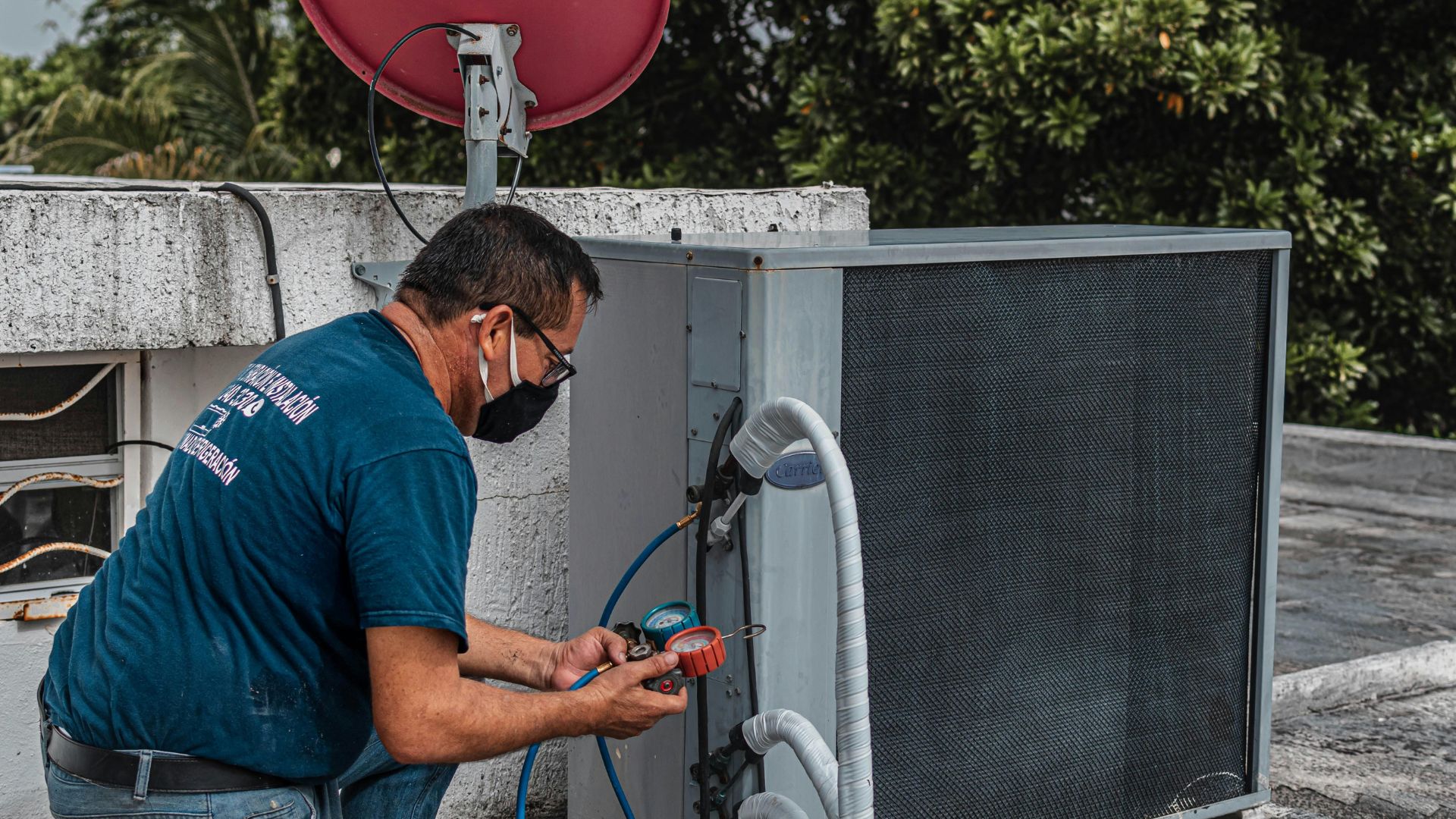
The push for efficiency, resilience, and comfort is reshaping how systems are selected, installed, and serviced. While climate and building type still drive the basics, the market now favors solutions that adapt to seasonal swings, support indoor air quality goals, and reduce lifetime operating costs without sacrificing performance.
Electrification and Heat Pump Momentum
Heat pumps have moved from niche to mainstream thanks to their ability to both heat and cool efficiently in a wide range of conditions. Variable-speed compressors and enhanced refrigerant management allow systems to modulate output, trimming energy use during mild weather while preserving comfort. For many households, pairing a heat pump with proper duct design or ductless zones balances room-by-room needs and curbs waste. In colder regions, hybrid configurations and thoughtful auxiliary strategies help maintain reliability when temperatures dip.
Indoor Air Quality as a Core Value
Comfort now includes what people breathe, not just how warm or cool a room feels. Filtration upgrades, balanced ventilation, and humidity control work together to reduce particles, odors, and excess moisture. Right-sizing filters to the blower’s capacity protects airflow, while sealed ductwork limits infiltration and dust. In tight homes, dedicated ventilation with energy recovery can replenish fresh air without undercutting efficiency, supporting both health and comfort.
Preventive Maintenance and System Longevity
Even the best equipment falters without regular care. Seasonal checkups catch small issues before they become costly breakdowns, preserve efficiency, and help systems meet their expected service life. Simple tasks—like keeping outdoor coils clear and replacing filters on schedule—reduce strain on motors and compressors. Documentation of service also supports warranty compliance and gives owners a history that guides smart upgrades.
Connected Controls and Data
Smart thermostats and building controls turn raw capability into everyday comfort. Learning schedules, geofencing, and remote access help match output to occupancy, avoiding waste. For multi-zone setups, coordinated controls prevent rooms from fighting each other, and runtime data surfaces patterns that point to airflow problems or refrigerant imbalances. When paired with professional monitoring, alerts can prompt timely service that averts bigger repairs.
Skilled Labor and Consumer Education
Quality outcomes depend on design, installation, and verification. Load calculations, duct sizing, airflow balancing, and refrigerant charging are not optional steps. Clear communication about equipment features, filter change intervals, and proper use of setback schedules empowers owners to get the most from their systems. As technologies evolve, continuing education keeps technicians current on best practices and safety.
Essential Maintenance Actions for Reliable HVAC Performance
1. Replace or clean air filters at manufacturer-recommended intervals to maintain airflow and protect components.
2. Keep outdoor units free of leaves, vegetation, and debris, ensuring at least several inches of clearance around the cabinet.
3. Inspect and seal accessible duct joints to reduce leakage, improve room-to-room balance, and enhance overall efficiency.
4. Verify thermostat settings, schedules, and firmware updates so controls reflect actual occupancy and comfort goals.
5. Schedule professional tune-ups before heating and cooling seasons to test electrical connections, refrigerant charge, and system safety.
6. Monitor humidity levels and use dehumidification or humidification strategies to maintain a comfortable, stable indoor range.
7. Document service visits, filter changes, and any performance issues to support troubleshooting and future planning.
Looking ahead, the strongest investments will blend efficient equipment, sound design, diligent maintenance, and smart controls. By focusing on whole-home performance—covering airflow, filtration, ventilation, and right-sized capacity—property owners can achieve steady comfort, healthier air, and predictable operating costs. The result is a system that works quietly in the background, adapting to the seasons while keeping energy use in check.
HVAC Industry Trends Shaping Comfort, Efficiency, and Indoor Air Quality
Across the country, more property owners are evaluating heat pumps for their versatility in both heating and cooling. The draw is straightforward: a single system that modulates output, pairs well with smart controls, and can be tailored to regional climates. In moderate conditions, variable-speed compressors help maintain even temperatures without frequent cycling. In colder areas, modern cold-climate designs can be matched with supplemental heat to ensure reliable performance. The broader shift toward electrification aligns with efforts to reduce direct combustion on-site, while still keeping a close eye on grid capacity and local incentives.
Indoor Air Quality as a Daily Priority
Indoor Air Quality has moved from a seasonal concern to a year-round priority. Homeowners and facility managers are paying closer attention to filtration, ventilation, and humidity control. Better filters can capture finer particulates, but they must be correctly sized to avoid restricting airflow. Mechanical ventilation strategies, such as balanced systems, help refresh stale indoor environments without sacrificing comfort. Humidity management supports occupant comfort and helps protect building materials. Taken together, these steps support cleaner air and more consistent conditions.
Smart Thermostats and Connected Controls
Connected controls can help fine-tune comfort and energy use. Modern thermostats learn patterns over time and can coordinate with zoning, heat pump staging, and indoor air circulation. Remote monitoring enables quick responses to alerts, helping to prevent small issues from turning into bigger problems. For commercial sites, building automation platforms offer additional scheduling, trending, and fault detection tools. The goal is simple: keep temperatures steady, reduce unnecessary runtime, and support better decision-making.
Maintenance That Prevents Breakdowns
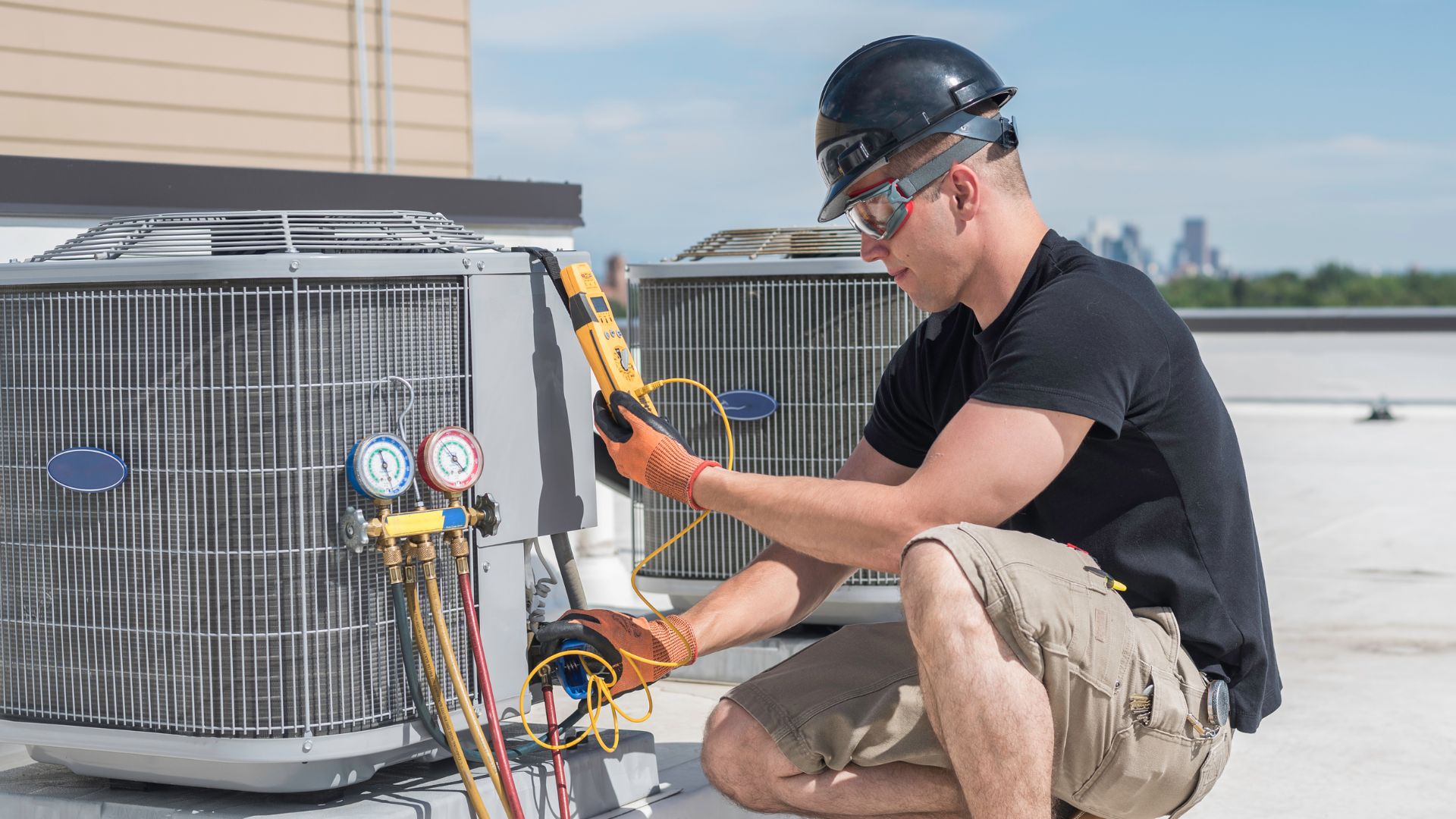
Preventive maintenance is central to system reliability. By scheduling regular checkups, property owners help ensure equipment runs as designed. A structured plan makes it easier to track wear, maintain efficiency, and extend system life. The following checklist highlights essentials that apply to many HVAC setups:
1) Replace or clean filters at recommended intervals to maintain proper airflow.
2) Inspect coils and gently clean as needed to improve heat transfer.
3) Verify refrigerant levels and check for signs of leaks before issues escalate.
4) Test thermostat calibration and controls to confirm accurate readings and staging.
5) Examine electrical connections and components for secure, corrosion-free contacts.
6) Clear condensate drains and pans to prevent water damage and microbial growth.
7) Lubricate moving parts when applicable to reduce friction and noise.
8) Assess ductwork for air leaks, damaged insulation, or obstructions.
9) Review outdoor clearances and remove debris that can block intake or exhaust.
10) Document findings and schedule follow-ups to address any developing concerns.
Refrigerants and Responsible Transitions
The refrigerant landscape is evolving toward options with lower environmental impact. For property owners, the most practical step is to know which refrigerant a system uses and how that affects service and compatibility. When replacement time comes, equipment selection should account for performance, safety classifications, and servicing availability. Proper handling and recovery are essential responsibilities, ensuring systems are recharged correctly and materials are disposed of or recycled according to applicable guidelines.
Right-Sizing and Air Distribution
Load calculations and duct design are foundational to comfort. Oversized equipment may short-cycle, while undersized systems can struggle during temperature extremes. Ducts need adequate sizing, sealing, and balancing to deliver consistent airflow to each room. Attention to return air paths and register placement helps prevent hot and cold spots. These details pay dividends in quieter operation, better humidity control, and improved comfort.
Aligning Comfort with Long-Term Value
The HVAC industry continues to balance comfort, efficiency, and Indoor Air Quality with practical, field-tested solutions. Upgrading controls, planning maintenance, and selecting equipment with care all contribute to reliable performance. For homeowners and building operators alike, a measured approach—grounded in proper sizing, good air distribution, and thoughtful ventilation—protects investments and supports healthy, comfortable spaces year-round.
